 01
Riverfront / Commerce
Ho Chi Minh City
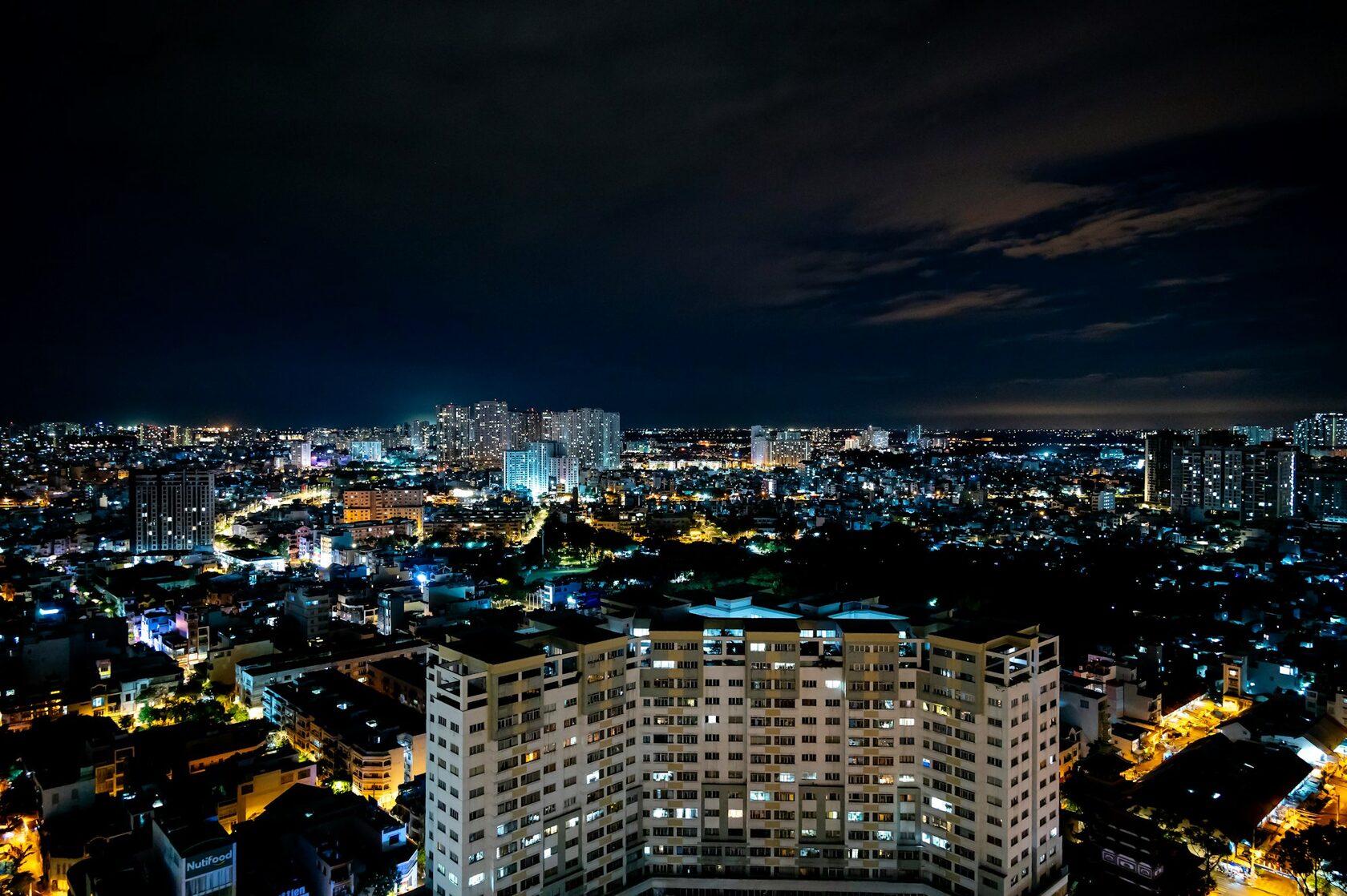
Landmark 81, established central-business-district towers and expanding mixed-use districts define the country’s most prominent skyline.
3 of 5featured towers
Country profile / Southeast Asia
Riverfront supertalls, new commercial districts and coastal towers reveal how Vietnam is reshaping its cities in three dimensions.
From Ho Chi Minh City and Hanoi to Da Nang and the northern coast: one country, multiple vertical identities.
Ho Chi Minh City · Vietnam Urban form / waterfronts / mixed-use districts
Vietnam’s skyline is not a single image. It is a collection of cities growing in different directions.
Ho Chi Minh City builds its most recognisable vertical profile along the Saigon River and in dense commercial districts. Its architecture ranges from sculptural office landmarks to towers integrated into large residential developments.
Hanoi’s high-rise landscape has developed across emerging business districts, large mixed-use complexes and older neighbourhoods. On the central coast, Da Nang presents a contrasting skyline shaped by the Han River, the waterfront and hospitality-led development.
The country’s next high-rise chapter includes both active construction and ambitious proposals. This atlas distinguishes completed structures from buildings that exist only in development plans.
A selection of comparable building-level figures — not a national building census
Vincom Landmark 81 · Ho Chi Minh City
Keangnam Hanoi Landmark Tower
Selected from the completed national ranking
Five different urban skyline contexts
One building, one district, a new urban silhouette
 Vertical massing · detail
Binh Thanh · Vinhomes Central Park
Featured landmark / Ho Chi Minh City
An 81-storey tower that places a stepped, tapering silhouette above the Saigon River.
Vincom Landmark 81 is the central high-rise landmark of Vinhomes Central Park. Rather than reading as a uniform shaft, the building is composed as a sequence of rising vertical elements, giving its profile a distinct stepped rhythm.
The tower also illustrates how contemporary supertalls are embedded in wider urban destinations: residential, hospitality, shopping and public-facing experiences are interwoven with the architecture of height.
Editorial city cards; links appear only for existing atlas profiles
01 Landmark 81, established central-business-district towers and expanding mixed-use districts define the country’s most prominent skyline.
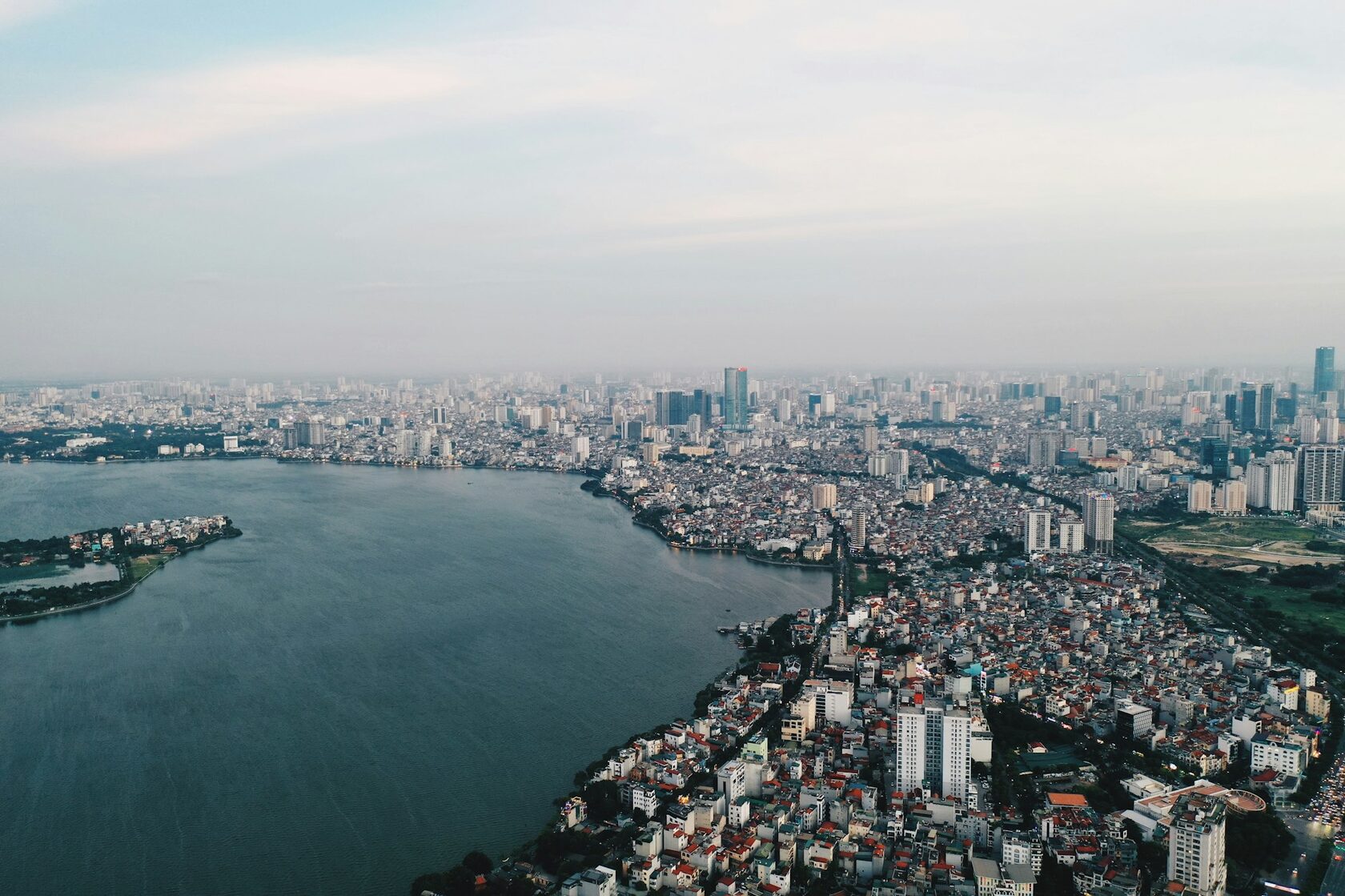 02
Keangnam Hanoi and Lotte Center anchor a skyline of business complexes, new districts and high-rise neighbourhoods.
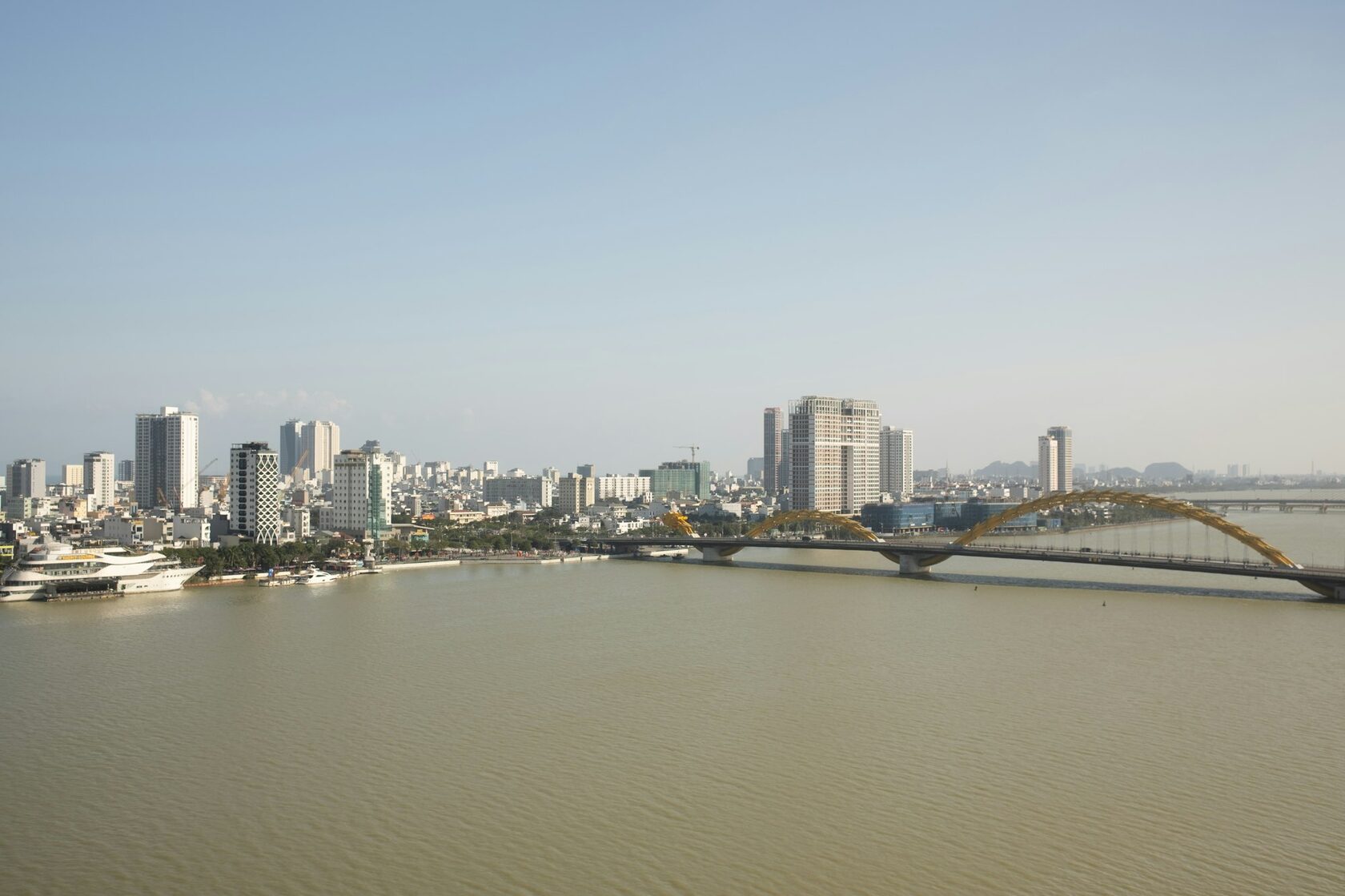 03
A distinctive composition of riverside hotels, apartment towers, beach districts and new landmark proposals.
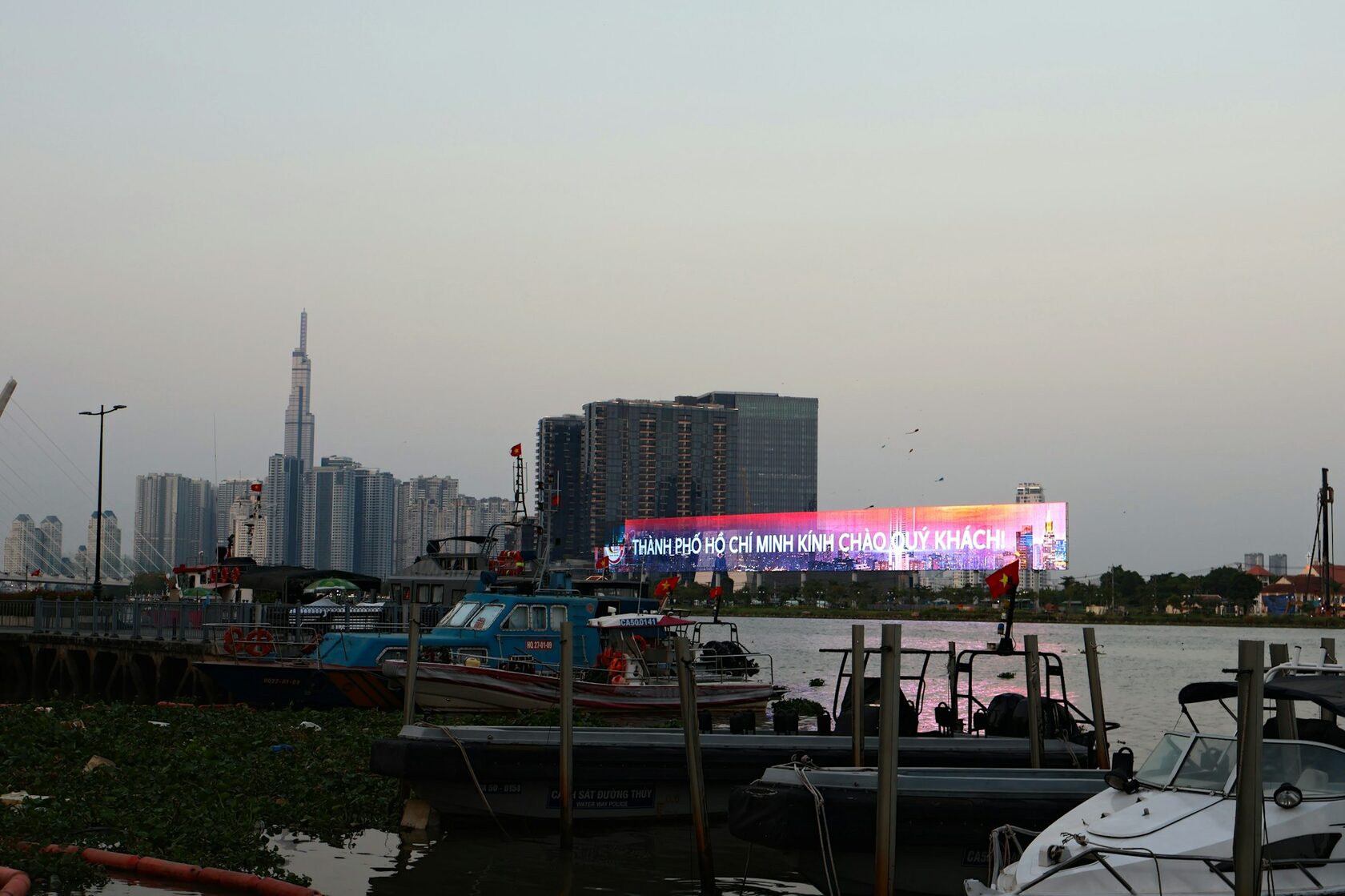 04
A port metropolis where large mixed-use proposals are expanding the architectural ambitions of the urban core.
 05
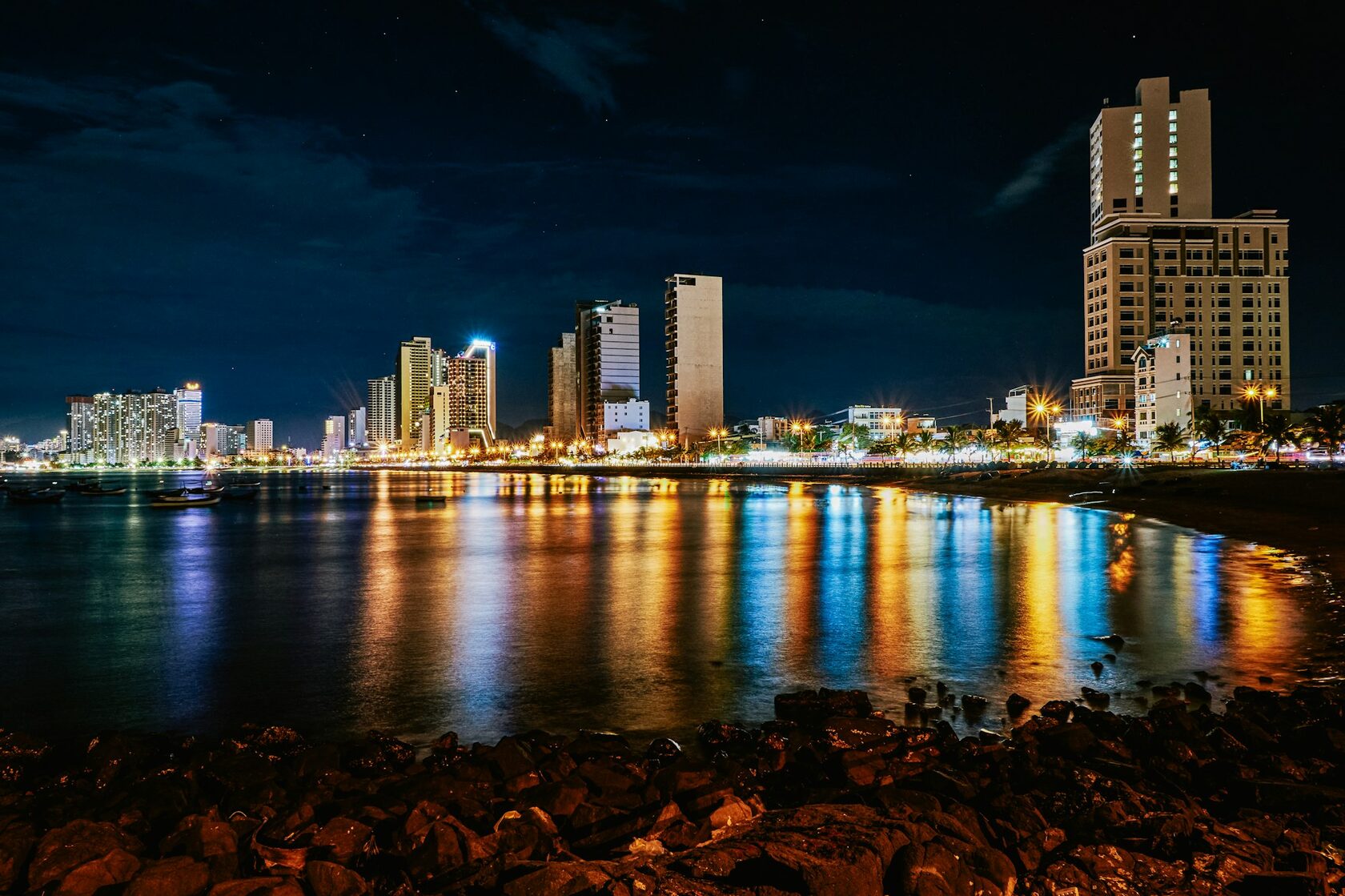
A compact beachfront skyline where resort hotels, apartments and coastal tourism drive vertical construction.
Completed landmarks ordered as editorial selections — not an exhaustive national catalogue
Selected completion milestones, not a complete history
A 262.5 m office landmark with a sculptural profile marks a new downtown skyline chapter.
The 328.6 m main tower completes a three-building mixed-use complex in western Hanoi.
The 272 m mixed-use tower adds a new landmark to the capital.
Vietnam’s tallest completed building reaches 461.2 m architectural height.
A 240 m office landmark joins the Saigon River skyline.
Structural solutions, architectural expression and difficult ground conditions
Keangnam Hanoi Landmark Tower’s complex required extensive deep foundations, including 980 piles documented in its engineering record.
The Keangnam main tower used a post-tensioned reinforced-concrete frame to facilitate efficient construction.
A dramatic outward-projecting helipad makes the building’s silhouette instantly recognisable and poses an unusual structural design challenge.
Landmark 81 uses a staggered massing of slender vertical elements rather than a conventional rectangular monolith.
Offices, hospitality, retail and residential spaces demand distinct circulation and service strategies within the same tower.
In Vietnam, the engineering story is as much about soil, city blocks and mixed uses as it is about height.
Keangnam complex
Vincom Landmark 81
Hanoi landmark tower
Da Nang Downtown landmark tower
Announced schemes and construction activity — clearly separate from completed buildings
A proposed signature tower within a much larger mixed-use, leisure and riverside development. Tower completion is not assumed.
69 floors planned
A long-delayed twin-tower mixed-use scheme that returned to construction activity; schedules may still change.
2 towers planned
A proposed 75-storey main tower within a mixed-use complex; it is not a completed entry in the national ranking.
75 floors planned
A 108-storey mixed-use landmark is planned for a later phase of the urban development; no completion date is implied.
108 floors planned
How vertical development responds to very different city settings
Standalone landmarks use a memorable silhouette to establish a place on the city skyline.
Towers operate as parts of larger neighbourhoods, combining homes, hotels, offices and retail in dense complexes.
Architecture responds to the different scales of riverfronts, beachfront tourism and coastal urban development.
Distribution of just the five selected completed towers — not a national statistical map
Vertical geography / regional explorer
Regional distribution diagram · conceptual visualisation, not a geographical map.
Three of the five featured completed towers are in Vietnam’s southern commercial metropolis.
Landmark 81 · Bitexco · Marina CentralTwo of the five featured completed towers anchor the northern capital’s skyline.
Keangnam Hanoi · Lotte Center HanoiArchitectural height in metres · selected completed building ranking, October 2026
| # | Building | City | Height | Year | Status |
|---|---|---|---|---|---|
| 01 | Vincom Landmark 81 | Ho Chi Minh City | 461.2 m | 2018 | Completed |
| 02 | Keangnam Hanoi Landmark Tower | Hanoi | 328.6 m | 2012 | Completed |
| 03 | Lotte Center Hanoi | Hanoi | 272 m | 2014 | Completed |
| 04 | Bitexco Financial Tower | Ho Chi Minh City | 262.5 m | 2010 | Completed |
| 05 | Marina Central Tower | Ho Chi Minh City | 240 m | 2024 | Completed |
A qualitative regional guide rather than a numerical national inventory
A concentration of landmark supertalls, mixed-use districts and riverfront commercial architecture.
Capital-city business complexes and emerging proposals in connected northern metropolitan areas.
Hospitality towers, urban waterfronts and high-rise development shaped by coastal settings.
Editorial framework
This atlas profile covers selected completed towers, urban skylines and forward-looking high-rise proposals in Vietnam. It is not an exhaustive inventory of every tall building.
Architectural heights, completion dates and development statuses are distinct fields. Proposed projects are never counted as completed buildings.
City profiles will be linked once they have their own published atlas pages.
Editorial framework · Skylines Atlas
Continue exploring
Continue from Vietnam to the regional atlas and discover other skyline stories across Southeast Asia.