For centuries, Guangzhou served as a major gateway for trade between China and the wider world. Tea, silk, and porcelain moved through its port, connecting merchants across Asia and Europe. Under the Canton System (1757–1842), the city became the principal regulated center of China's trade with Western merchants.
At the end of the twentieth century, Guangzhou was granted open economic city status and, within a single generation, grew into a financial center of global significance. Together with Shenzhen, Dongguan, and Foshan, it forms the Pearl River Delta — one of the largest metropolitan areas on the planet.
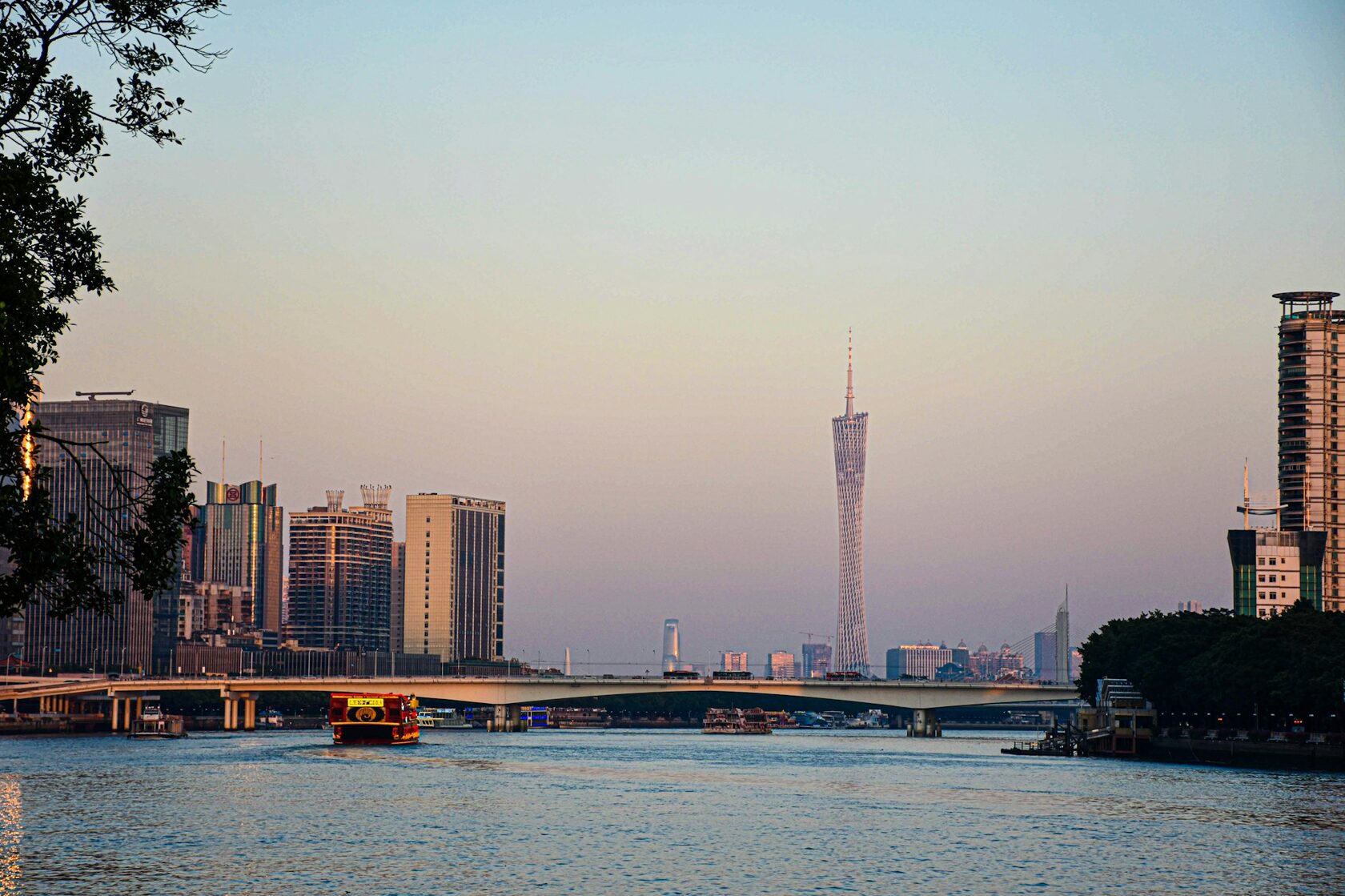
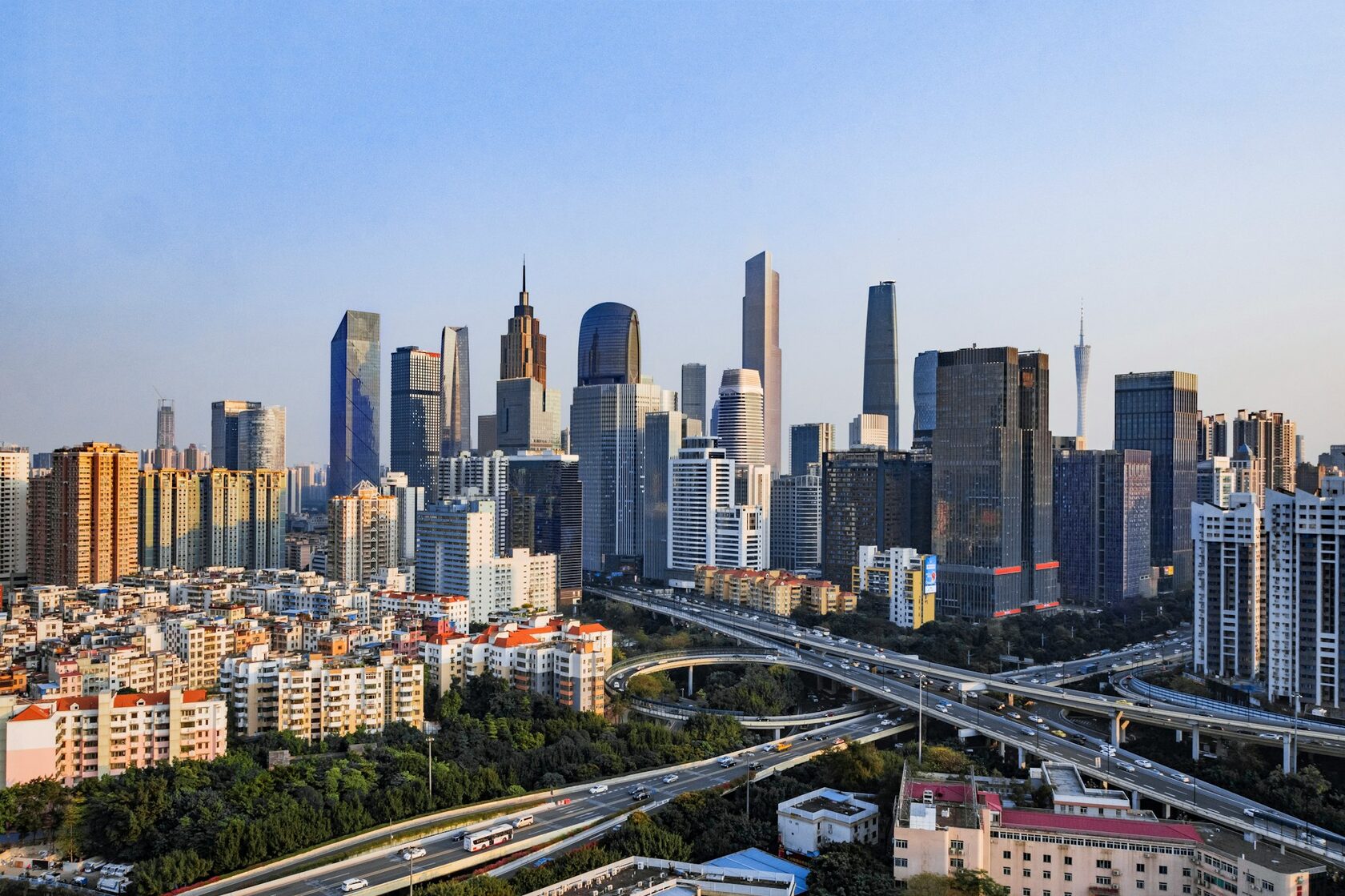
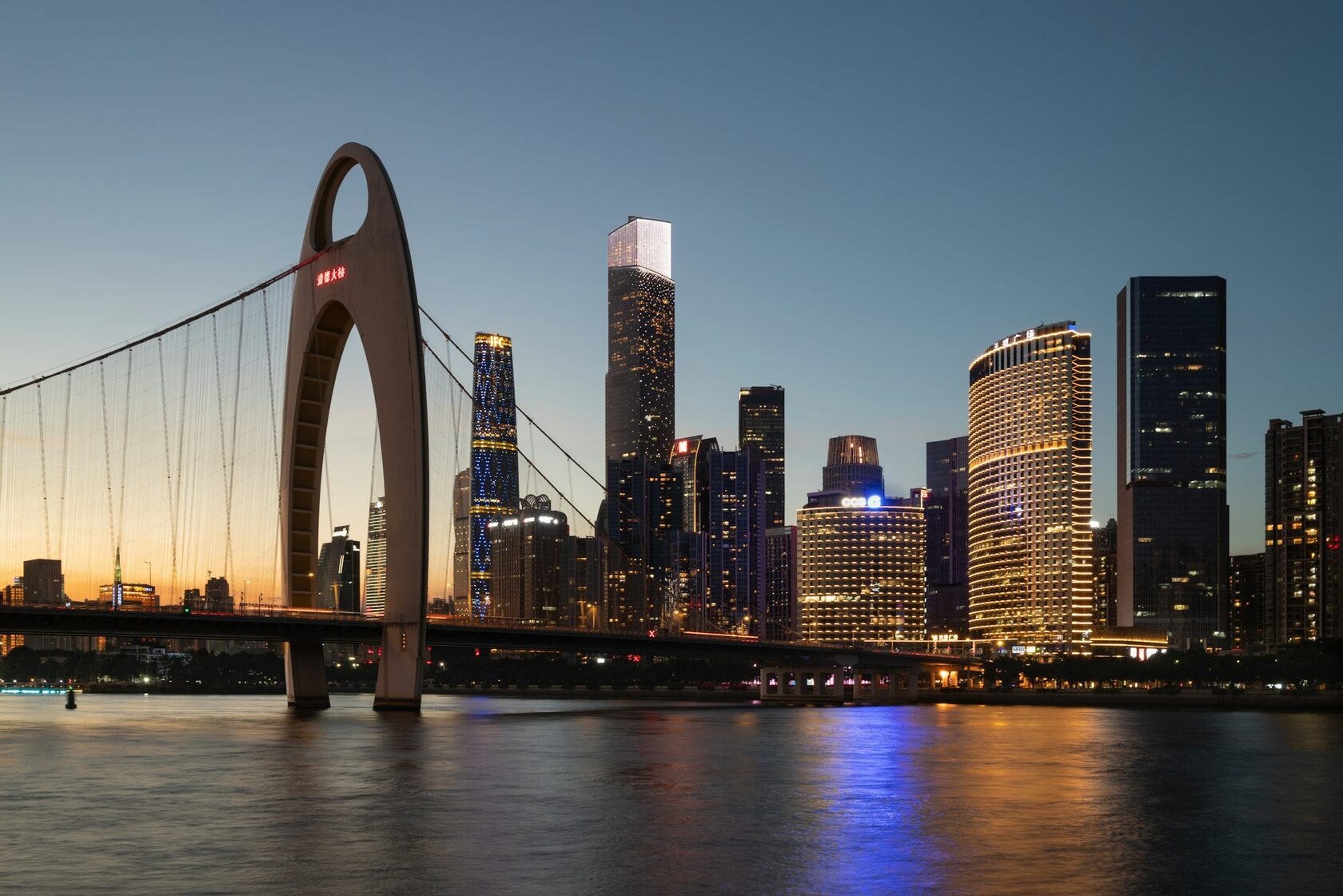
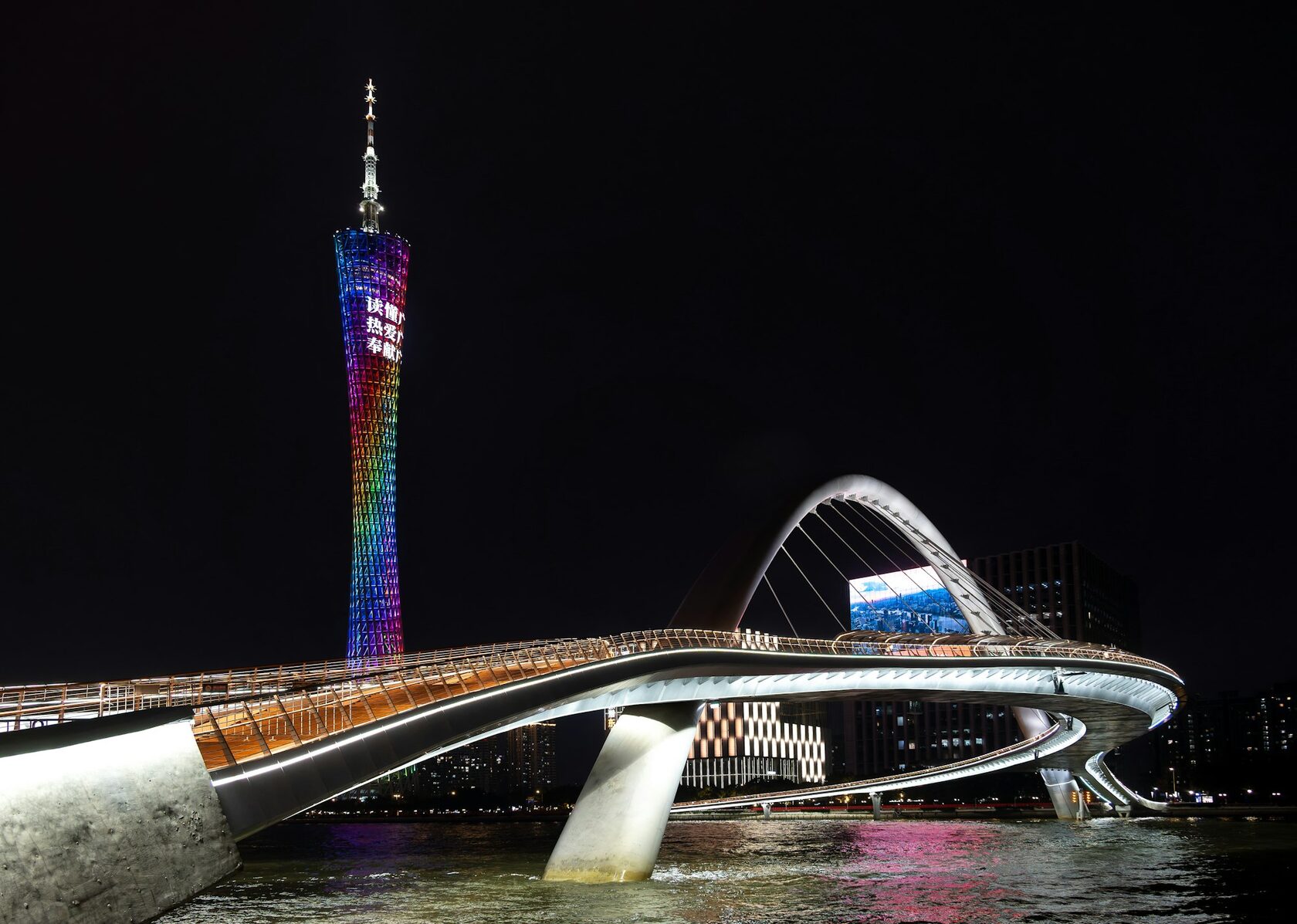
Guangzhou's high-rise architecture developed across several business clusters. CITIC Plaza became one of the symbols of the early development of the Tianhe CBD. Later, on the northern bank of the Pearl River, the modern silhouette of Zhujiang New Town took shape, anchored by Guangzhou IFC, CTF Finance Centre, and Pearl River Tower. On the opposite, southern bank rises Canton Tower — an independent architectural landmark of the Haizhu district.