01
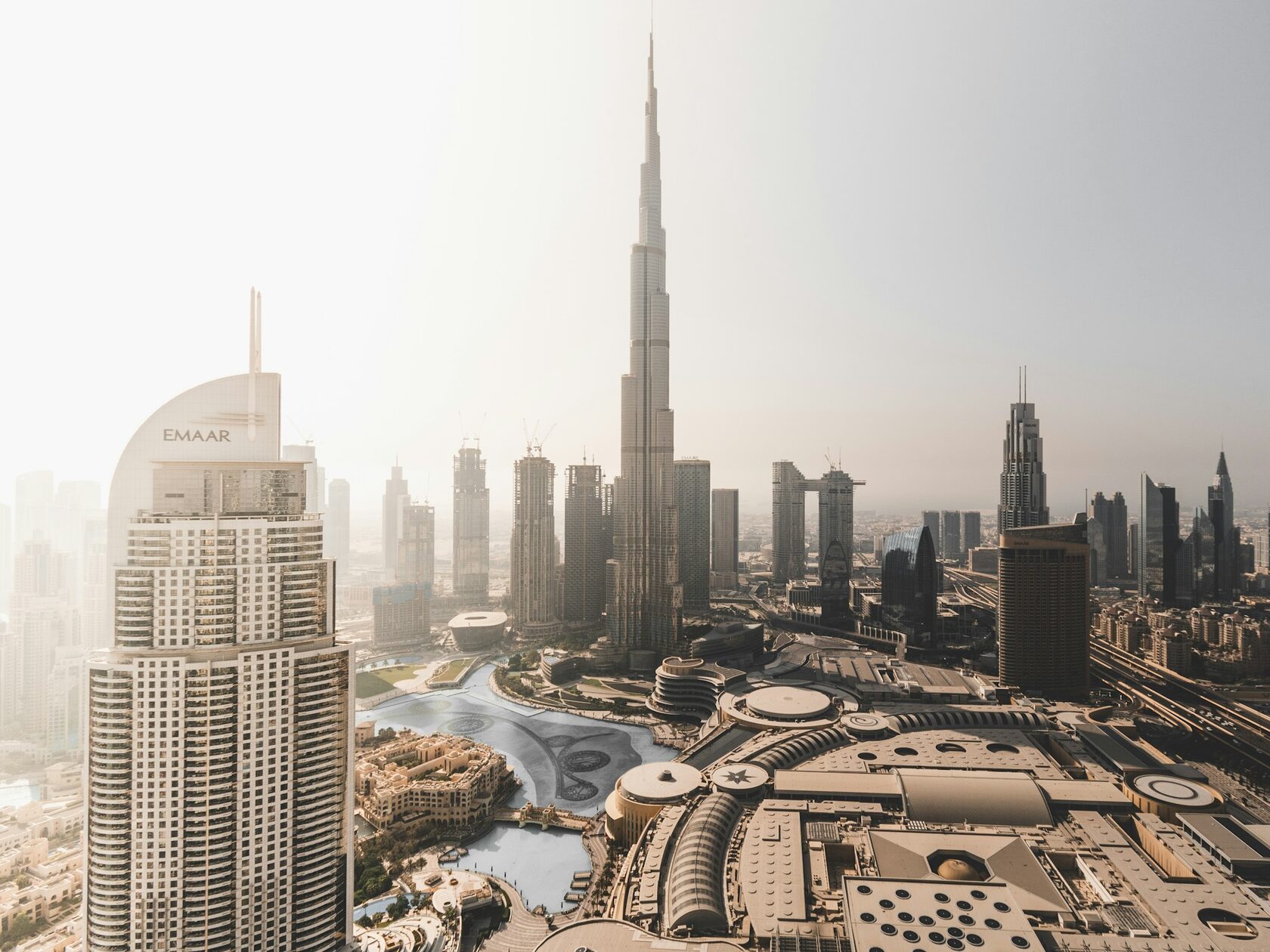
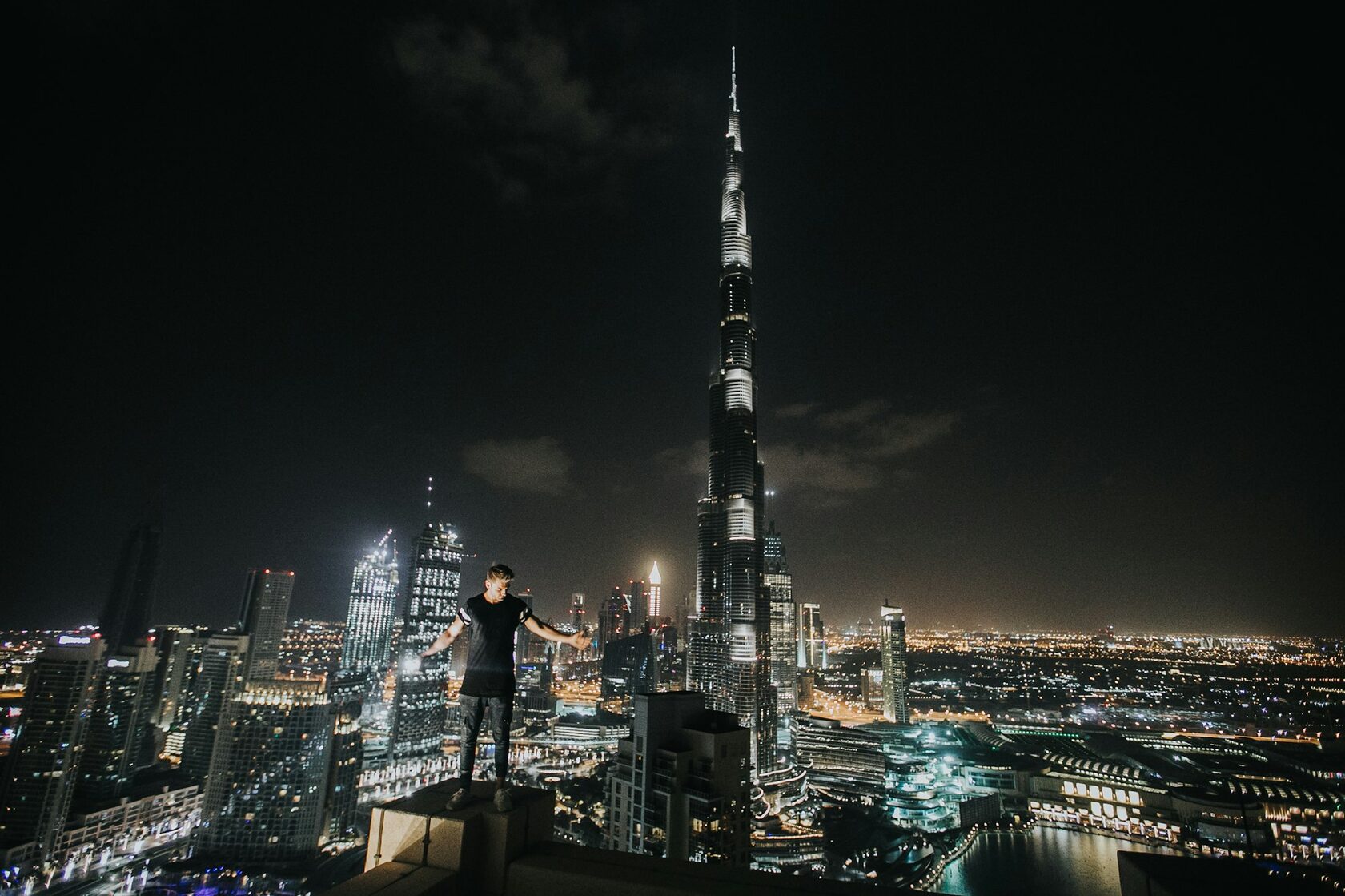
Burj Khalifa · At the Top Sky
Dubai · UAE
Updated · October 2026
Fourteen observation points across three continental regions, from sunset gold over the Persian Gulf to the steel web of Manhattan at midnight. An editorial selection of distinguished skyscrapers and landmark observation towers — chosen for altitude, engineering, and views worth planning a trip around.
From several hundred meters up, familiar streets turn into electric circuits and clouds end up below you. The world's most distinctive observation decks tend to share three things: sweep of view, an unusual angle on the city, and a feeling that the structure underfoot is almost weightless.
This editorial selection brings together distinguished skyscrapers and landmark observation towers. Some sit among the planet's tallest buildings; others win you over with their panoramas and architecture rather than raw meters. Viewing spaces were considered where their design and history allowed it; not every structure in the list places its deck inside the original structural concept.
The selection spans 14 observation points across three continental regions — classic skyscraper observation decks and selected landmark observation towers. Heights follow each operator's published methodology; by Guinness methodology the Shanghai Tower currently holds the highest observation deck record at 561.3 m.
Selection methodology
Three observation decks that set the industry standard in the 21st century — by height, technology, and emotional impact.
01
Dubai · UAE
02
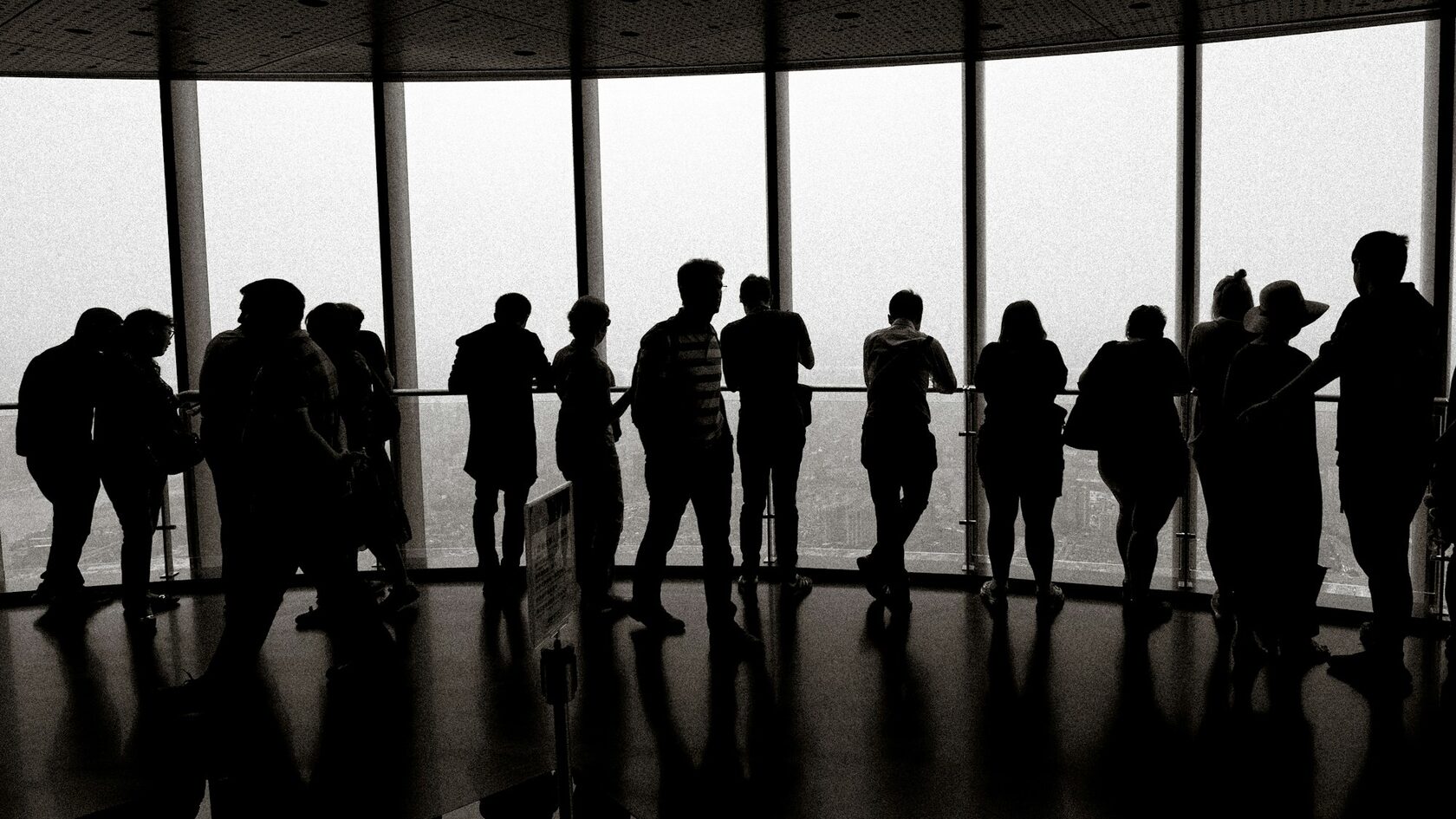
Shanghai · China
03
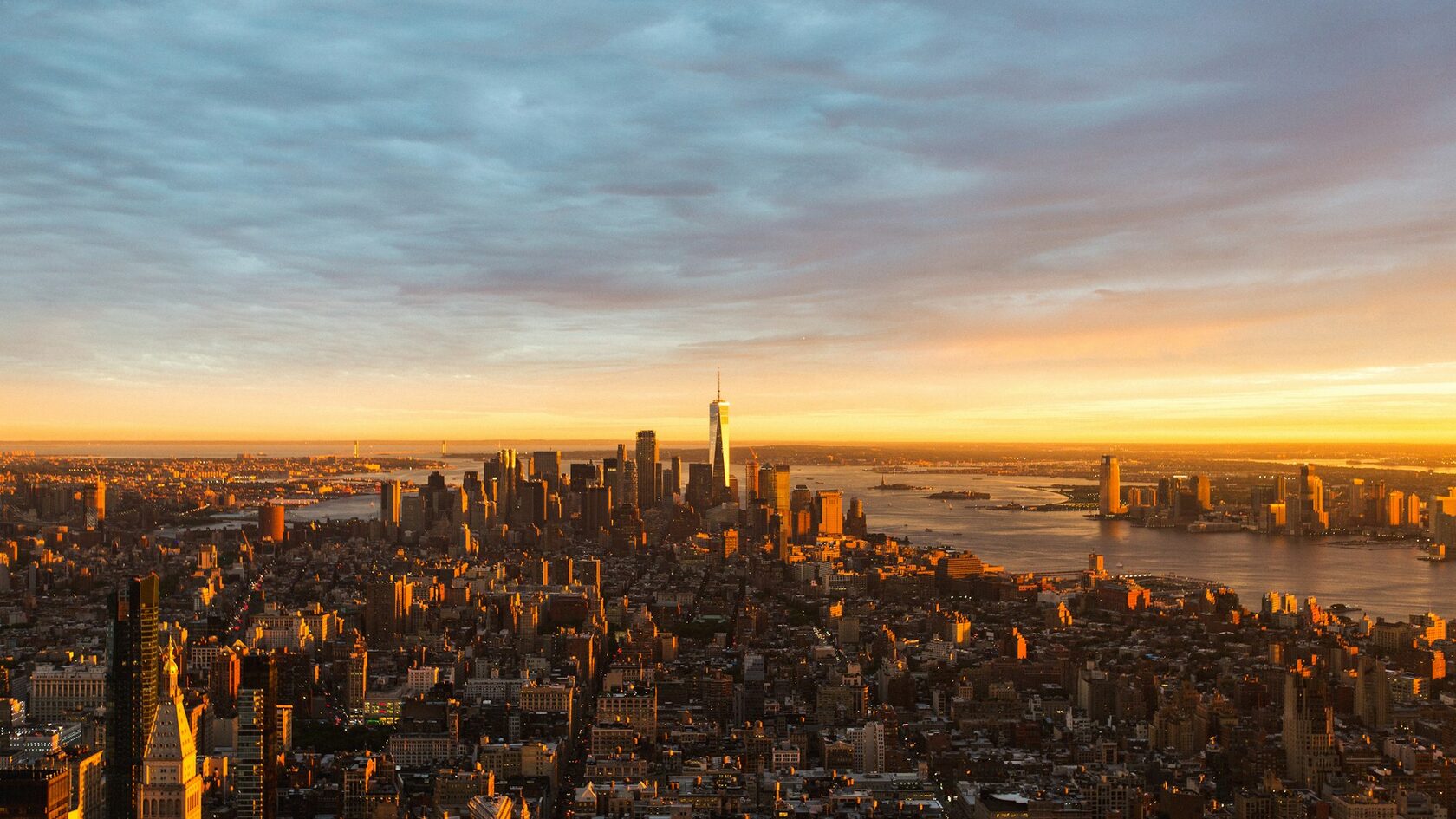
New York · USA
Five structures where engineering turns into emotion. The numerical order is editorial presentation rather than a verified worldwide ranking by height. Each has its own character, climate, and signature detail you can't forget. Below the divider line — six additional notable observation points, including twin towers, glass floors, rooftop resorts, and landmark observation towers in Shenzhen and Guangzhou.
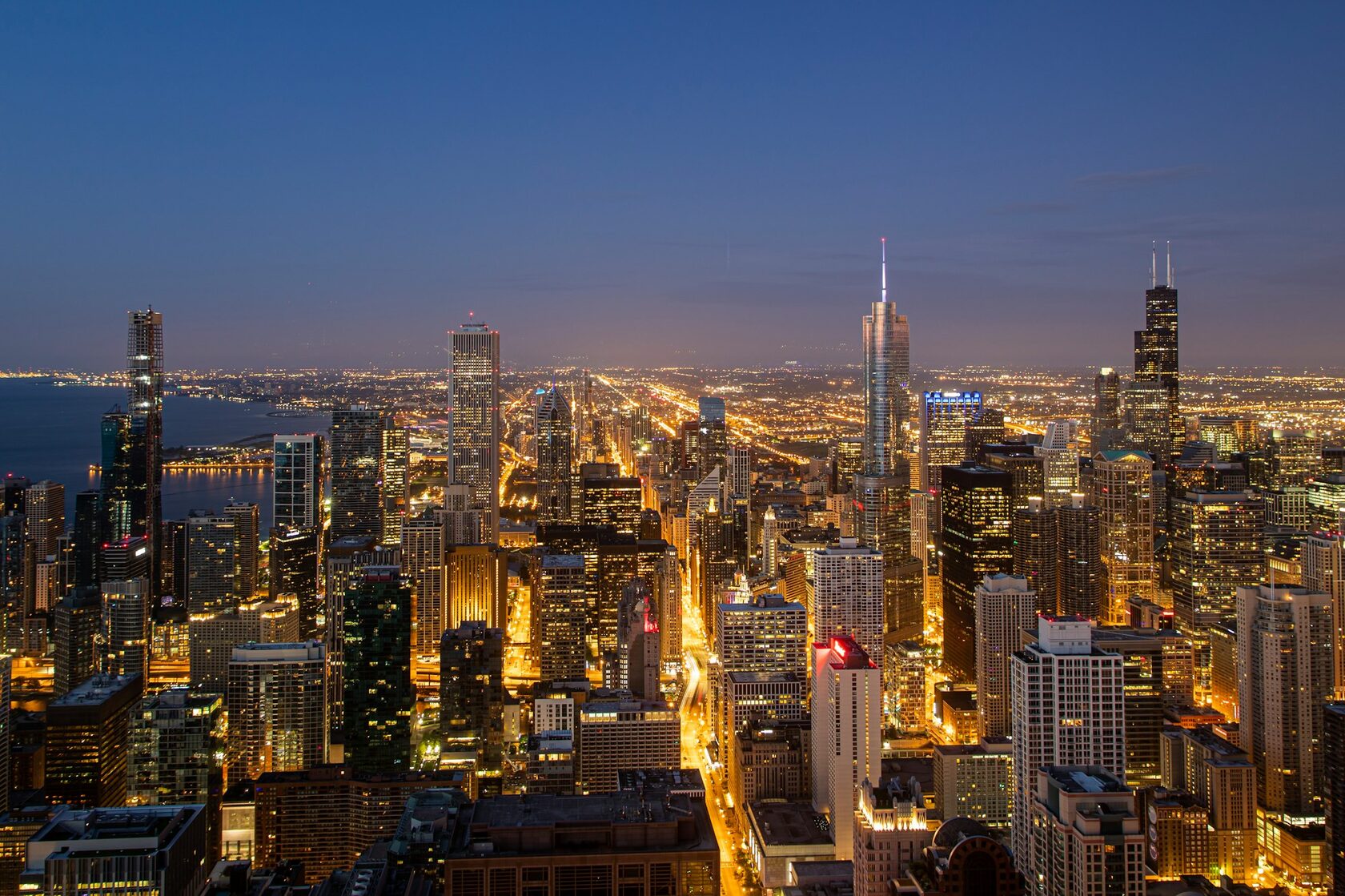
Chicago · USA
The four glass balconies of The Ledge extend 1.2 m beyond the building's edge — 412 meters of empty air and streets far below. The building topped out in 1973; the Skydeck opened to visitors in 1974.
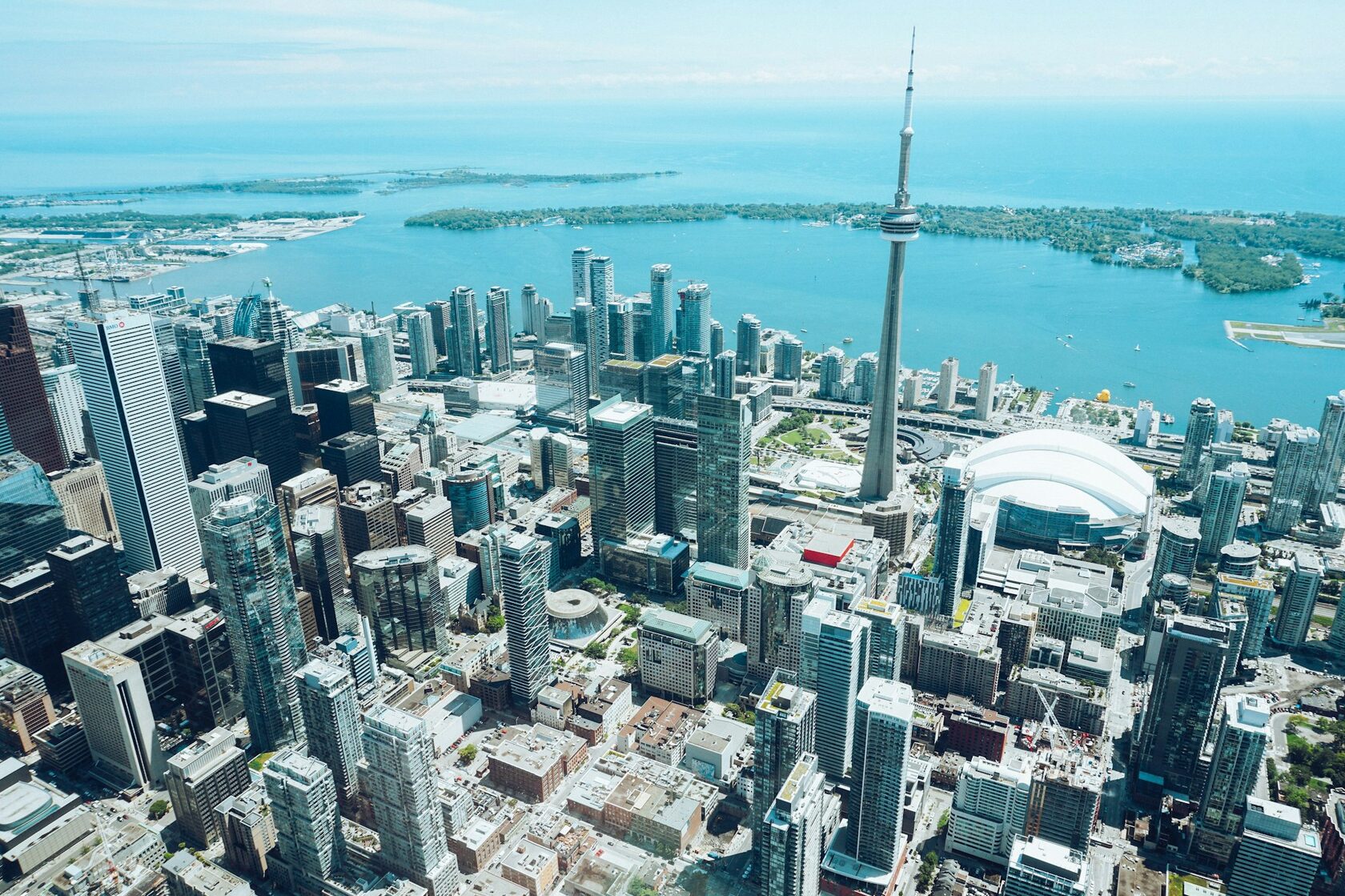
Toronto · Canada
Features the EdgeWalk — a hands-free walk around the outer rim at 356 m, with visitors secured by harnesses. The main LookOut level sits at 346 m, and the upper SkyPod at 447 m offers the highest public viewing point in the structure.
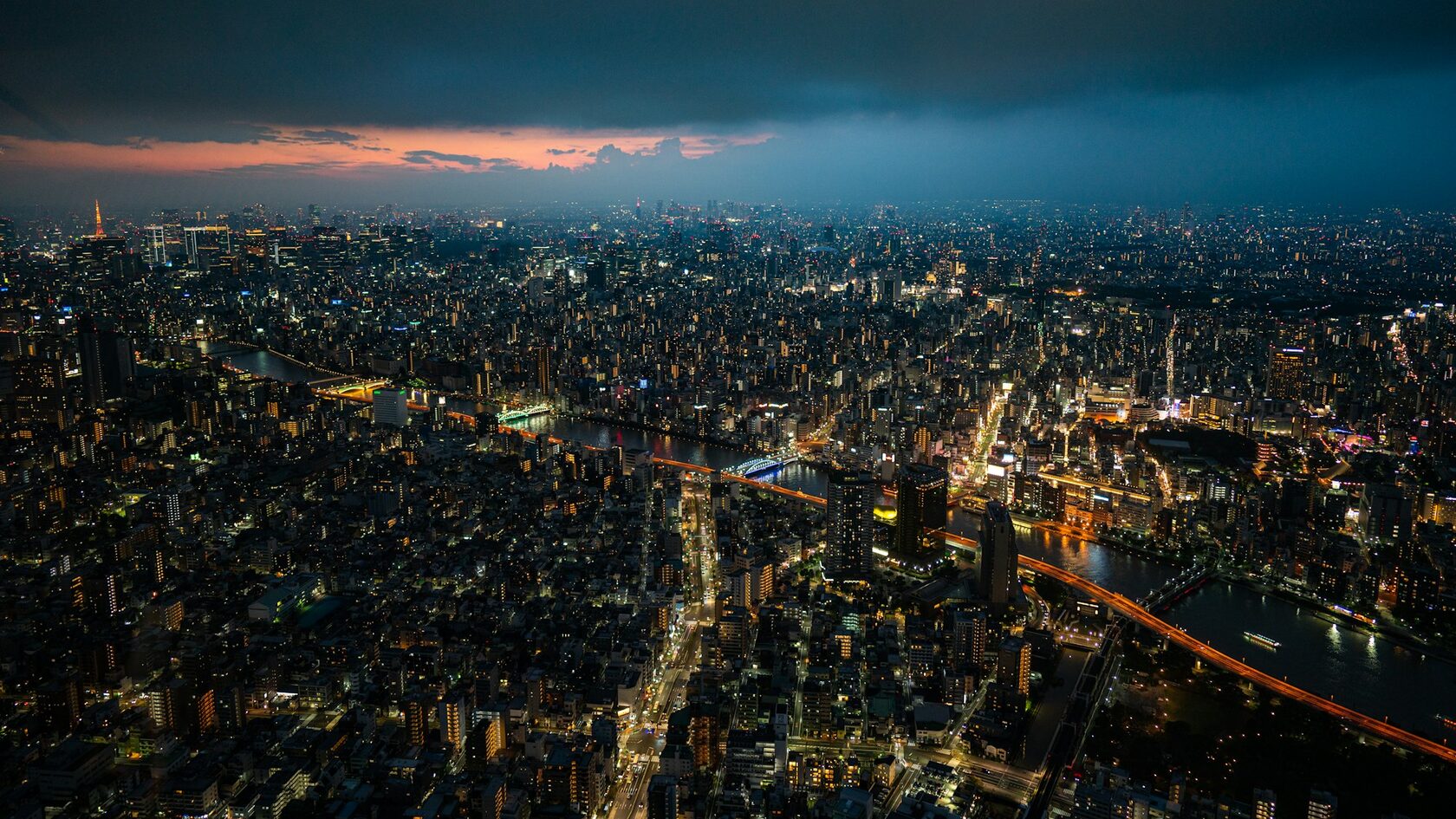
Tokyo · Japan
Features two observation levels: the Tembo Deck (floors 340, 345 and 350; maximum 350 m) and the Tembo Galleria (floors 445 and 450; approximately 450 m). On clear days, Mt. Fuji is visible; on cloudy days, the higher deck dissolves into clouds and the city appears below like a lit-up map.
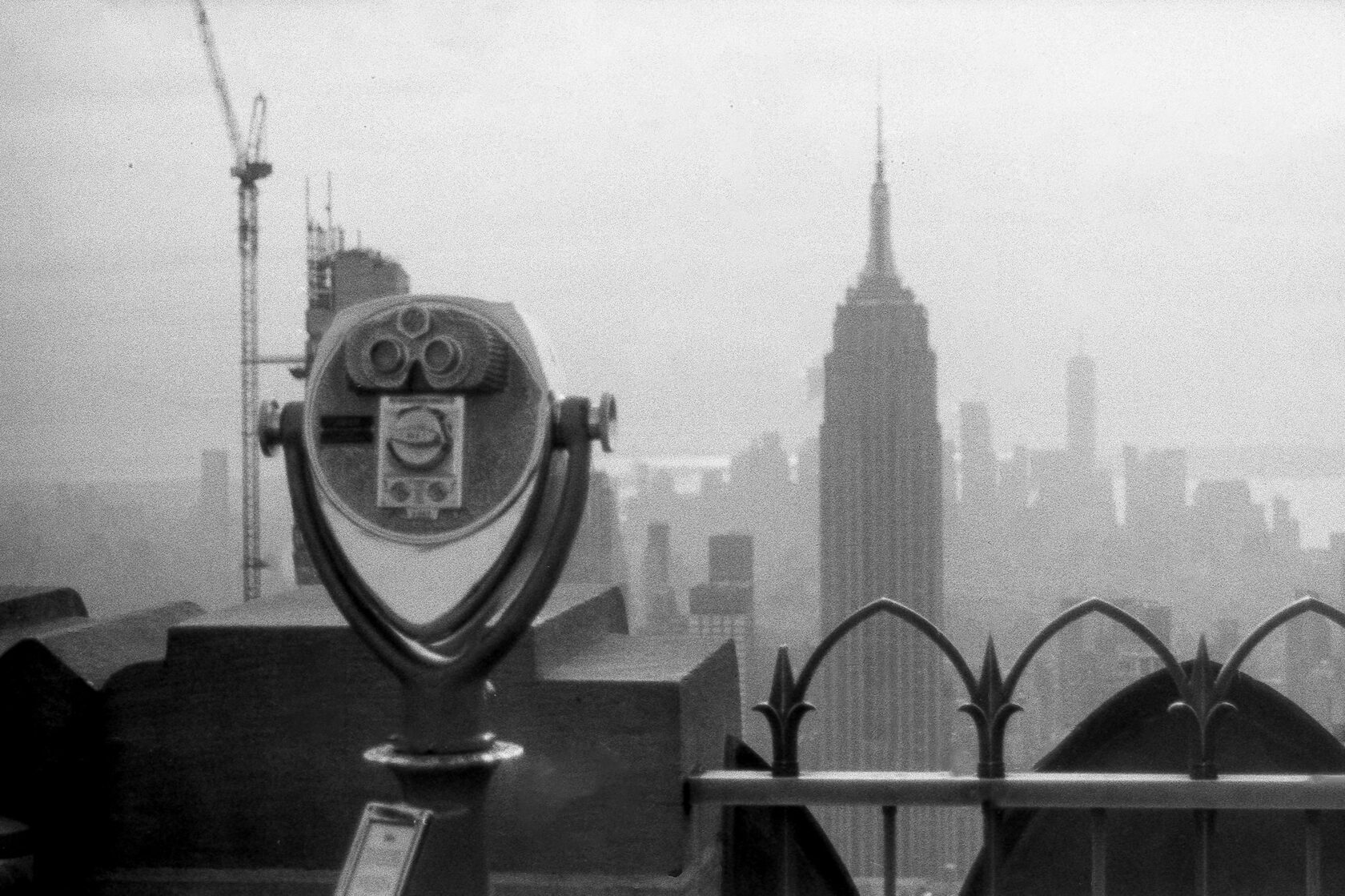
New York · USA
The 86th-floor observation deck opened in 1931 and has hosted more than 150 million visitors. The open-air deck at 320 m features metal railings; the enclosed 102nd-floor observatory sits at 381 m and offers panoramic windows.
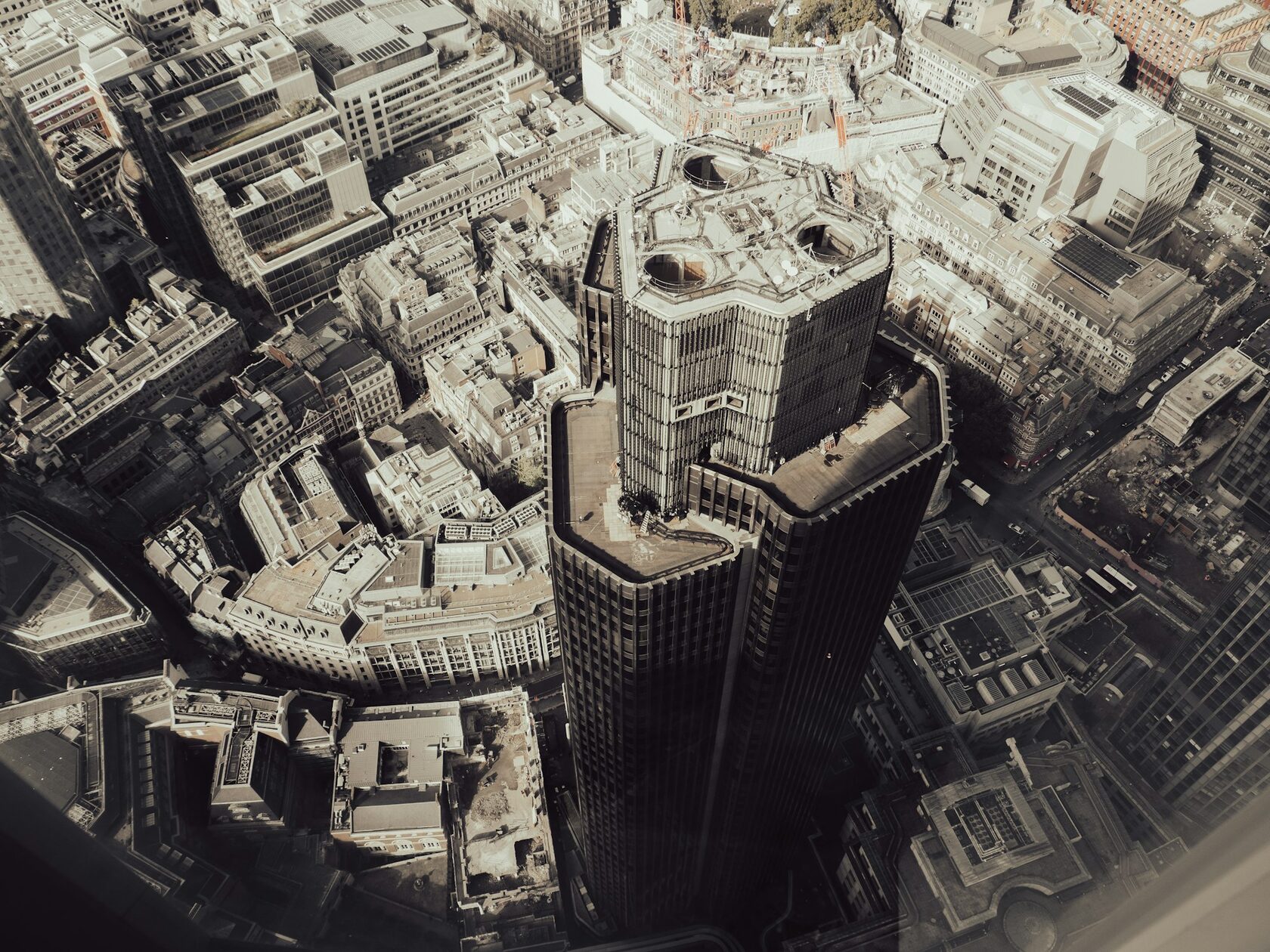
London · UK
A glass shard on the south bank of the Thames — the tallest building in the United Kingdom. The viewing galleries on floors 68–72 offer some of the sharpest nighttime panoramas of London.
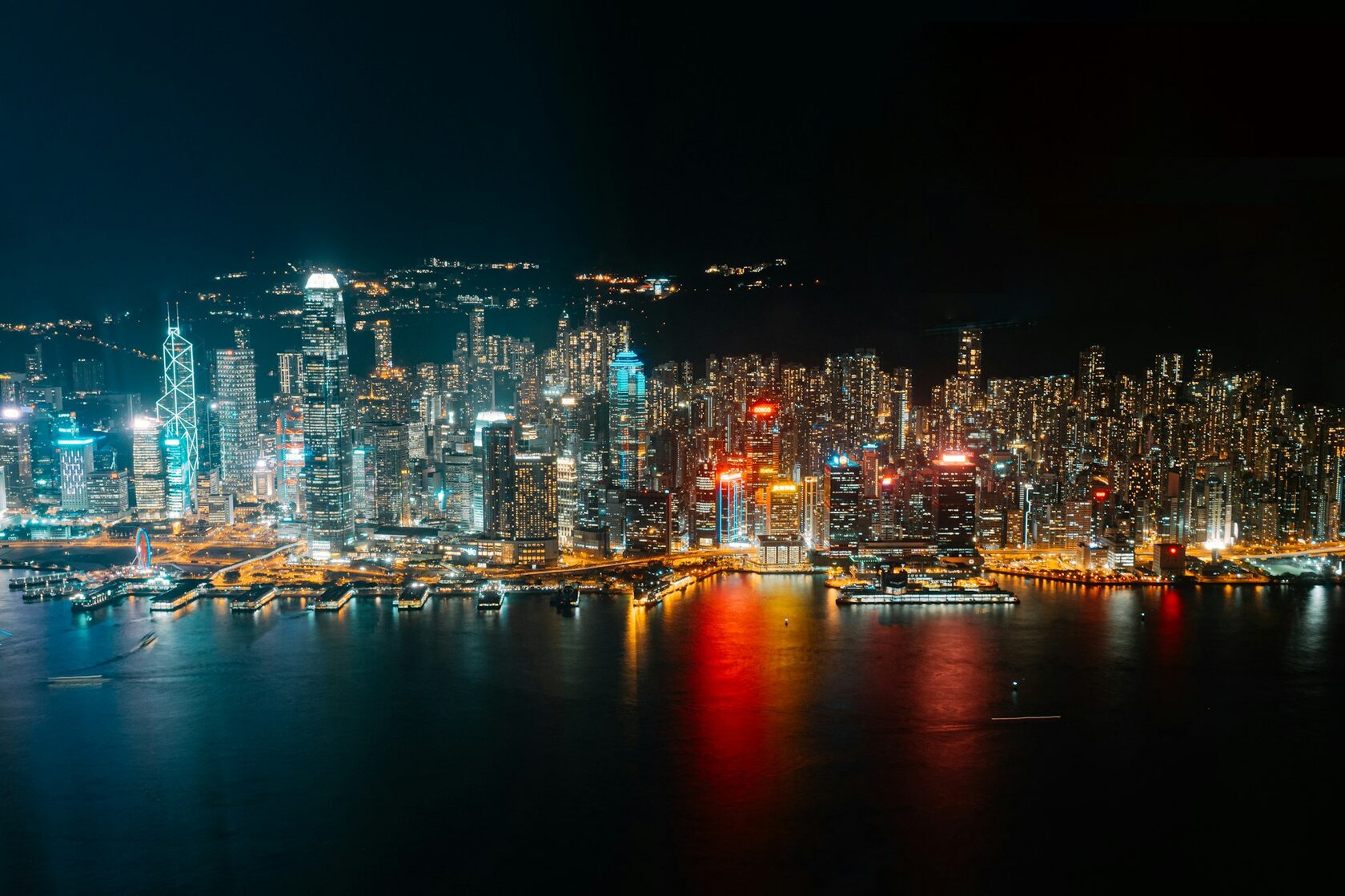
Hong Kong · China
An enclosed indoor observation deck on the 100th floor of the ICC. From here you can see Hong Kong, Kowloon, and Lantau Island with its airport. Status: temporarily closed for renovation — reopening date not announced. Note: 393 m is measured above sea level.
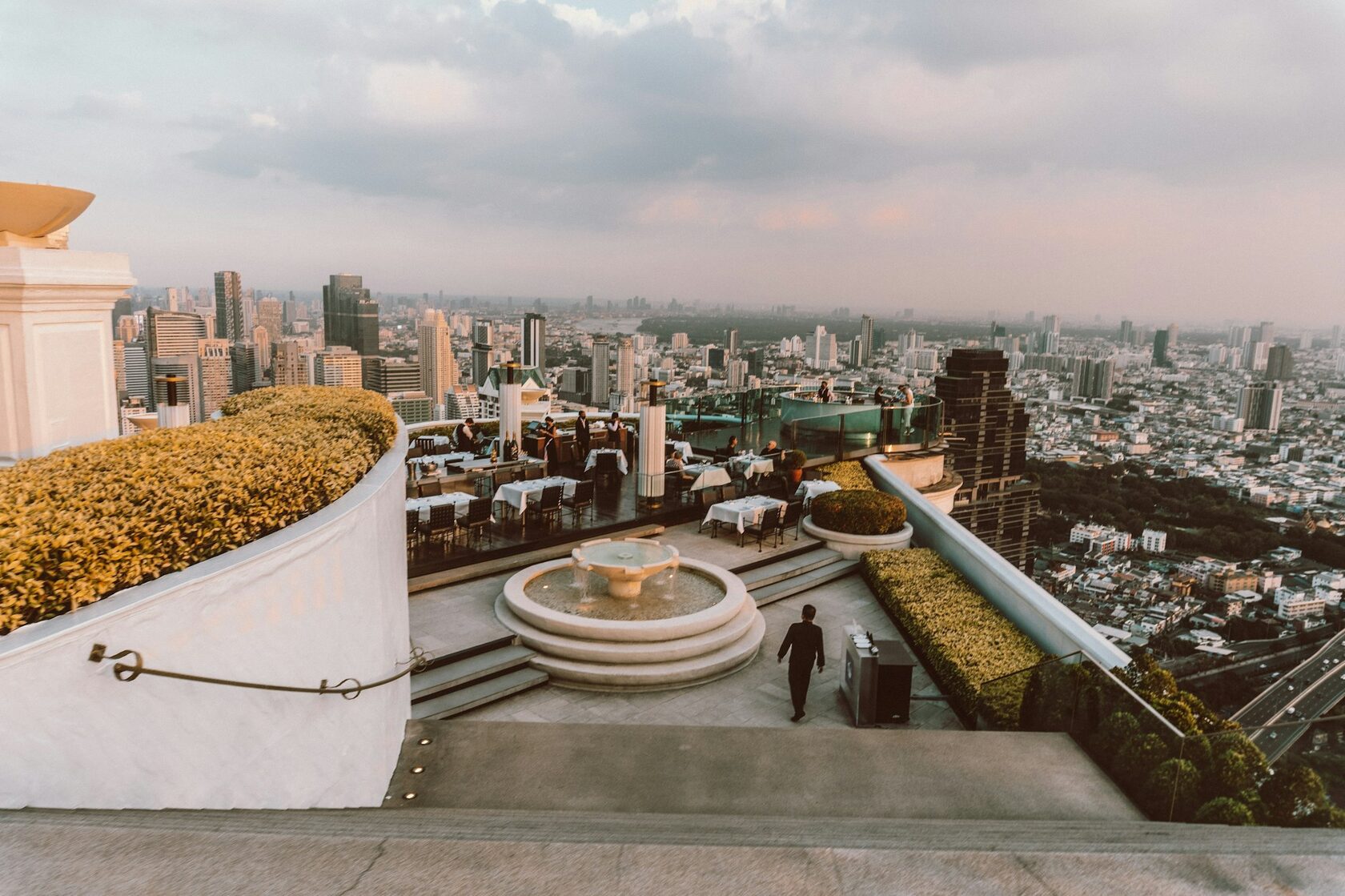
Bangkok · Thailand
Features the Glass Tray — a glass-floored cantilevered platform at the rooftop edge. The 314-m building by Ole Scheeren is recognizable by its distinctive "pixel" architecture.
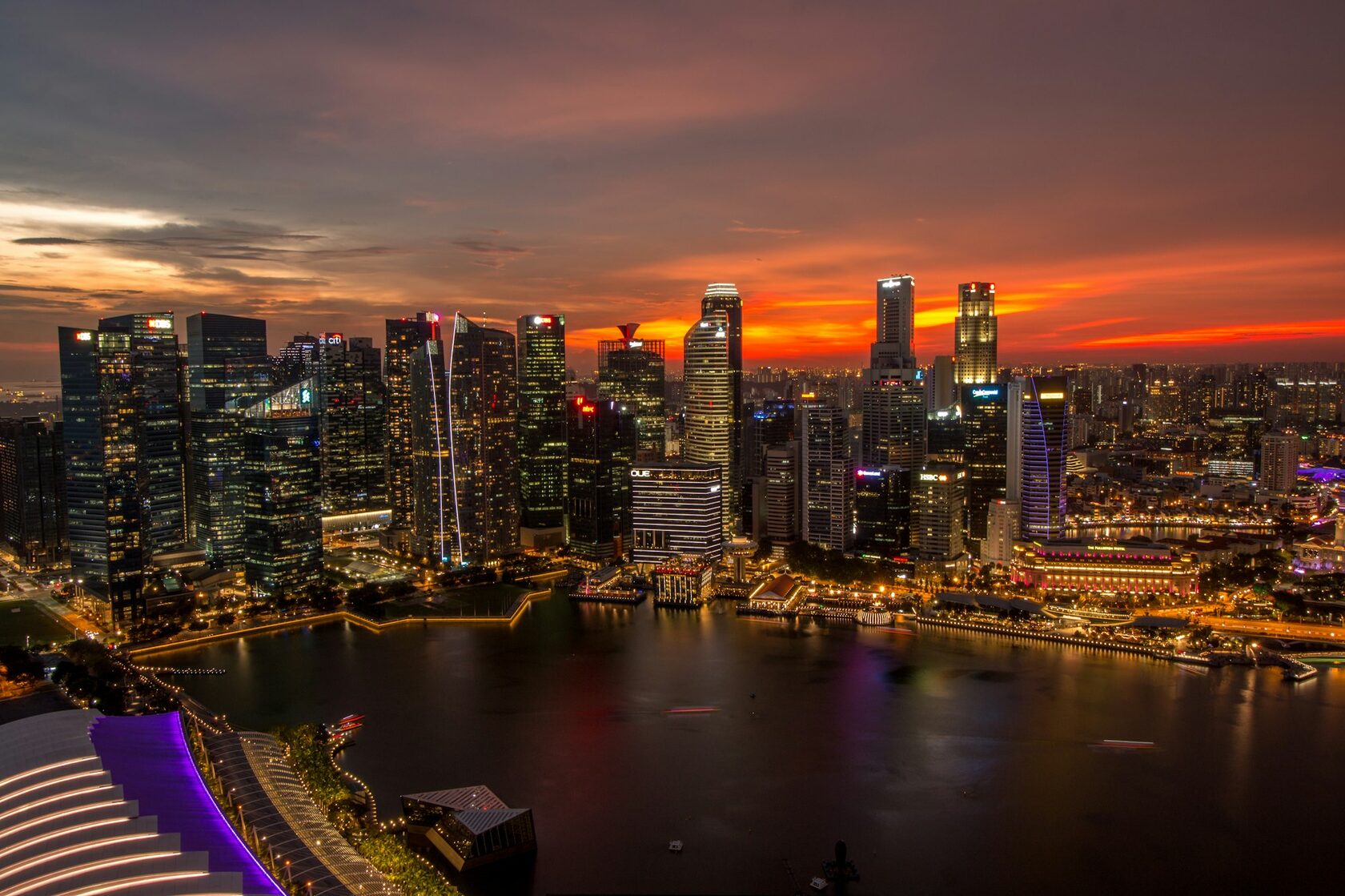
Singapore
A boat-shaped roof spans three towers at 200 m above ground and stretches 340 m. Moshe Safdie designed the SkyPark complex. The public Observation Deck occupies Level 56 and a portion of Level 57; the Infinity Pool is reserved for hotel guests and is not part of the public visitor route.
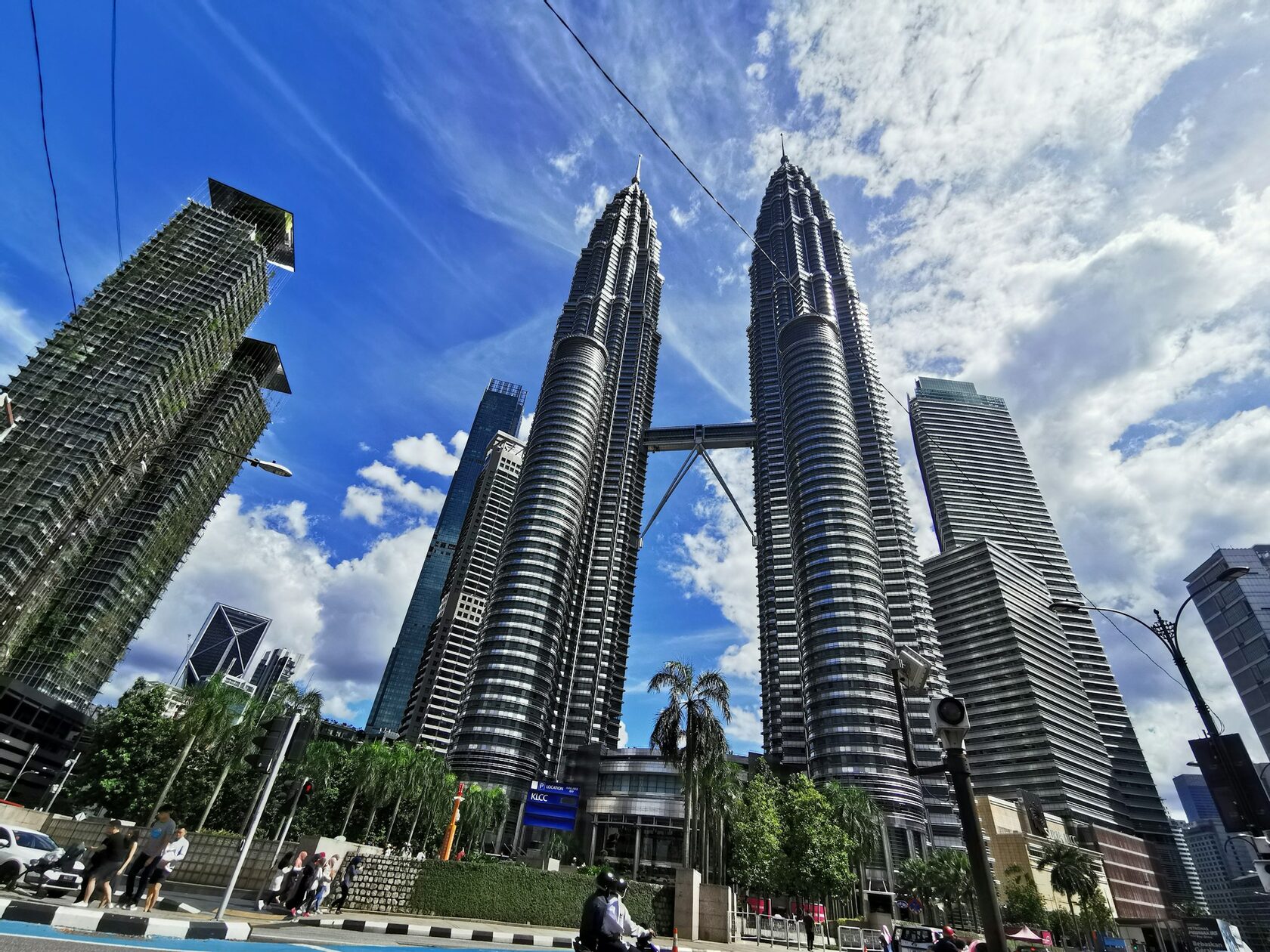
Kuala Lumpur · Malaysia
A two-level skybridge connects the twin towers at the 41st and 42nd floors. Completed in 1998, the complex was the tallest building in the world at the time. The main observation deck sits on the 86th floor; the skybridge serves as an additional viewing platform.
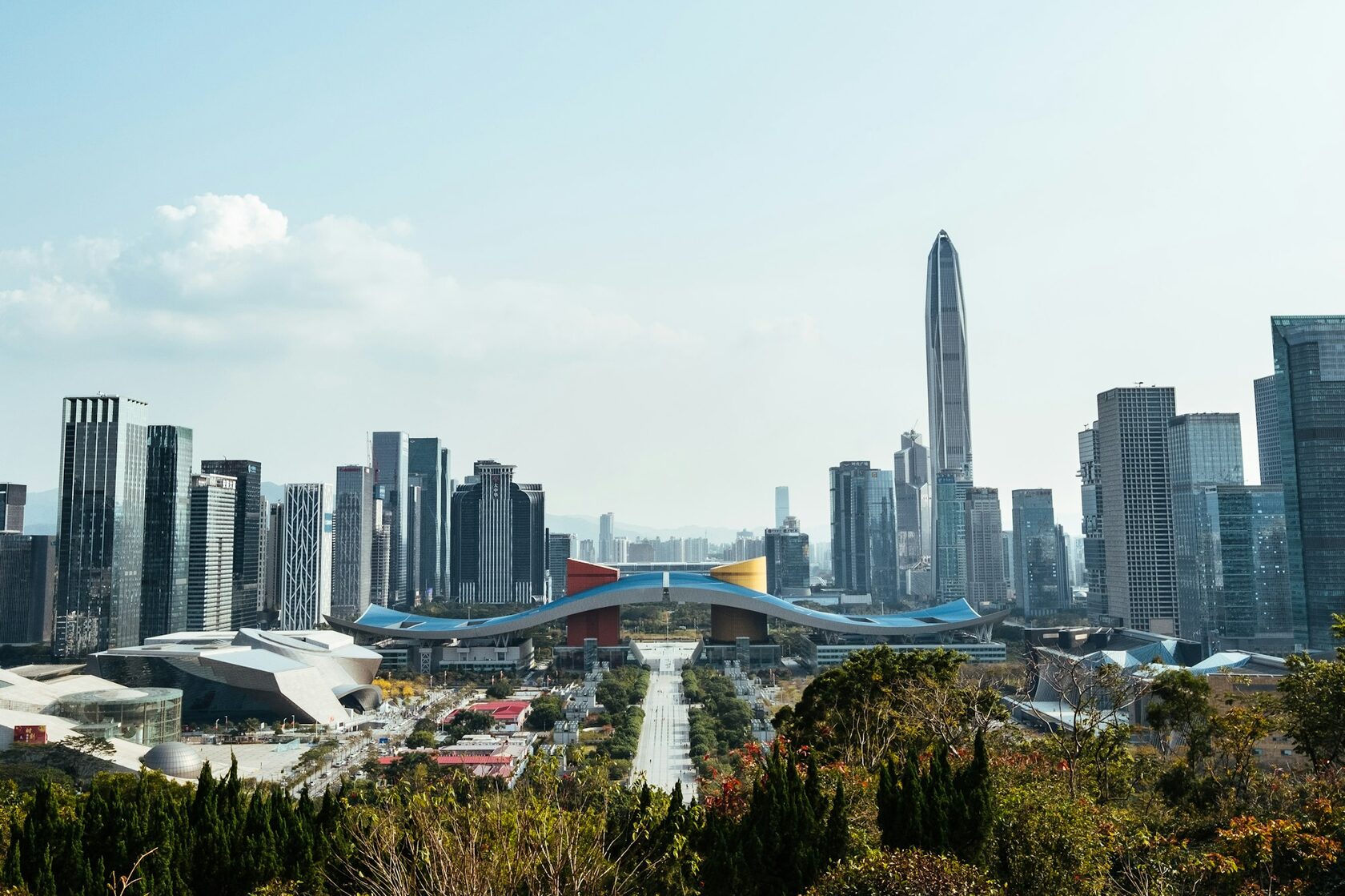
Shenzhen · China
Free Sky Observation Deck on the 116th floor of mainland China's second-tallest building. By Guinness methodology, the glass-floor cantilevered platform measures 547.60 m. From here you can see Shenzhen, with views toward Hong Kong and Dongguan on clear days.
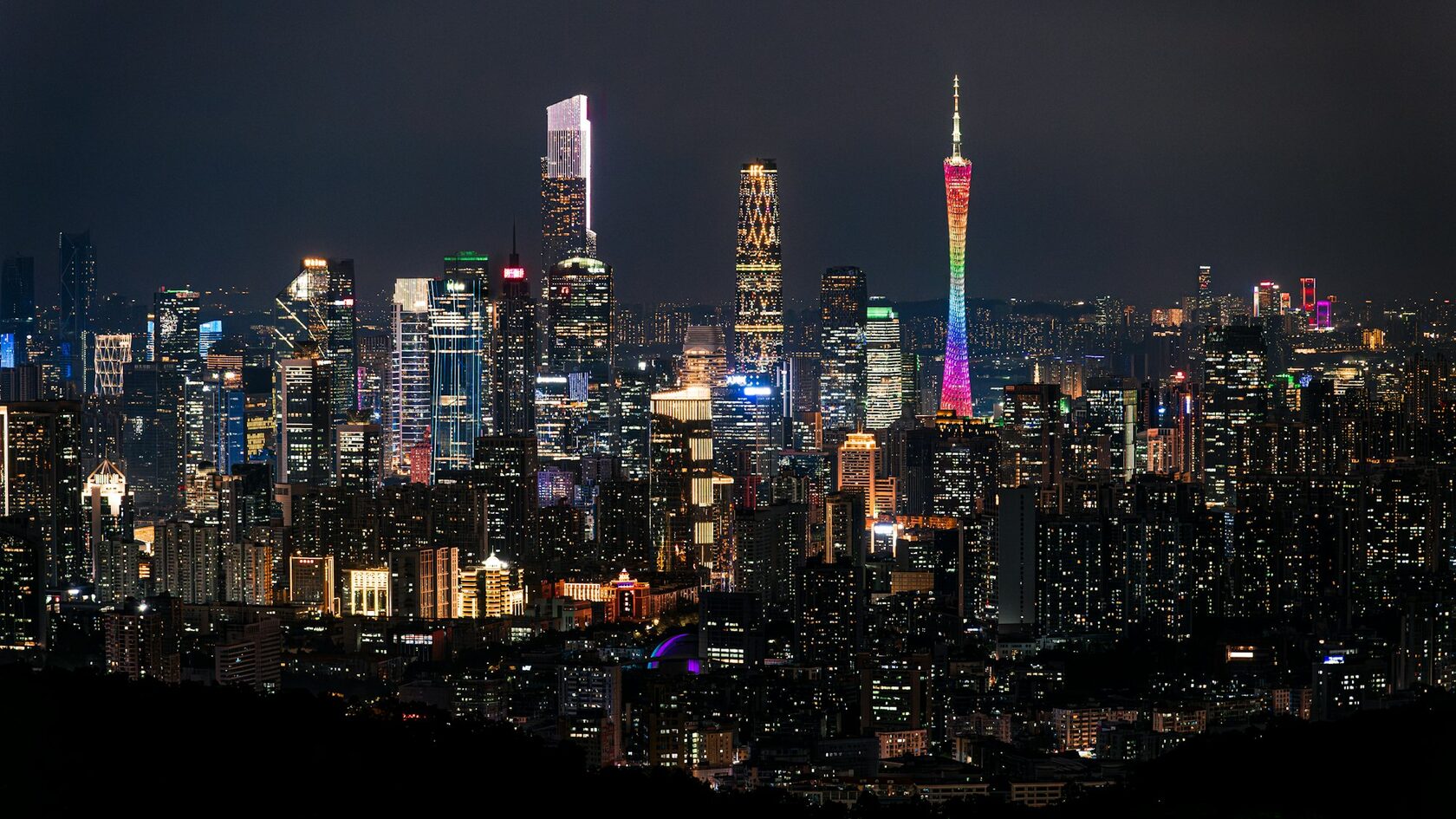
Guangzhou · China
One of the world's tallest towers at 604 m, with its main public observation deck at 488 m. The deck offers panoramic views across the Pearl River Delta.
Fourteen observation points are spread across three continental regions, but the center of gravity is in Asia. Nine of the fourteen stand east of Istanbul.
Dubai · Shanghai · Shenzhen · Guangzhou · Hong Kong · Tokyo · Kuala Lumpur · Bangkok · Singapore
9
Observation decks
Featured height: Burj Khalifa · At the Top SKY · 555 m
New York · Chicago · Toronto
4
Observation decks
Tallest: CN Tower · 447 m
London
1
Observation deck
Only one: The Shard · 244 m
—
—
Not in this selection
No entry from this region
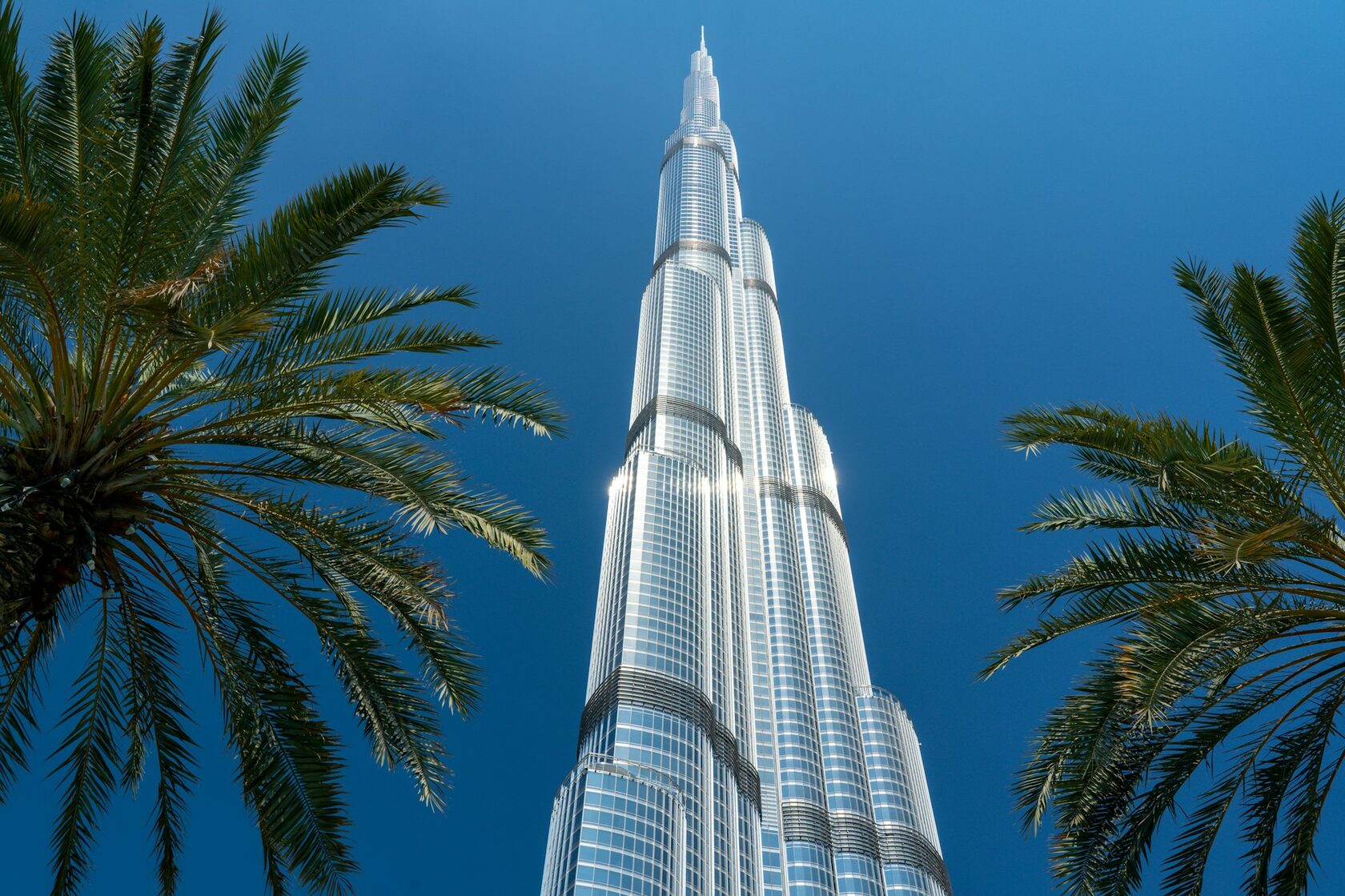
555 m
By Guinness methodology, the Shanghai Tower's upper deck currently holds the record for highest observation deck at 561.3 m. Operator-published heights may differ depending on measurement basis.
Multi-layer
Willis Tower's The Ledge and CN Tower's main observation level feature transparent glass panels designed for high visitor loads. One World Observatory's Sky Portal works differently — it is an electronic live-video display showing the streets below, not a physical glass floor. Joints on real glass floors accommodate expansion across seasonal temperature changes.
Sunset
You see the city in three states: daylight, golden hour, and the night lights. Most major observation decks let you stay within your paid time window. Always check each location's current opening hours.
Five points that save time, money, and nerves. Pulled together from travelers' reviews and visitor guidelines published by the operating companies.

At Burj Khalifa, One World Observatory, and The Shard, sunset slots often fill up quickly during peak season. Advance online booking is generally recommended.

Light changes over 90 minutes. Take a slot an hour before sunset and stay until the city lights come on — most decks let you stay within your paid time window.

At 555 m, the Dubai panorama doesn't fit a standard 50-mm lens. A smartphone with an ultrawide mode or a camera with a 16–24 mm lens will do the job.

At Willis Tower and CN Tower, transparent glass panels are engineered for high visitor loads. One World Observatory's Sky Portal works differently — it is an electronic live-video display showing the streets below, not a physical glass floor. Fear of heights is normal — it's worth trying at least once: the view underfoot tends to stick in your memory more than the horizon.

In higher-latitude cities such as Toronto, London and Shanghai, cloud cover can occasionally limit views. Visibility varies by season and weather; current conditions should always be checked before visiting.
skyscrapersinfo.ltd features catalogs of tall buildings, towers by country and city, the history of skyscrapers since 1885, and engineering details of the structures. Head over to pick your next stop on the route.
Direct link: skyscrapersinfo.ltd